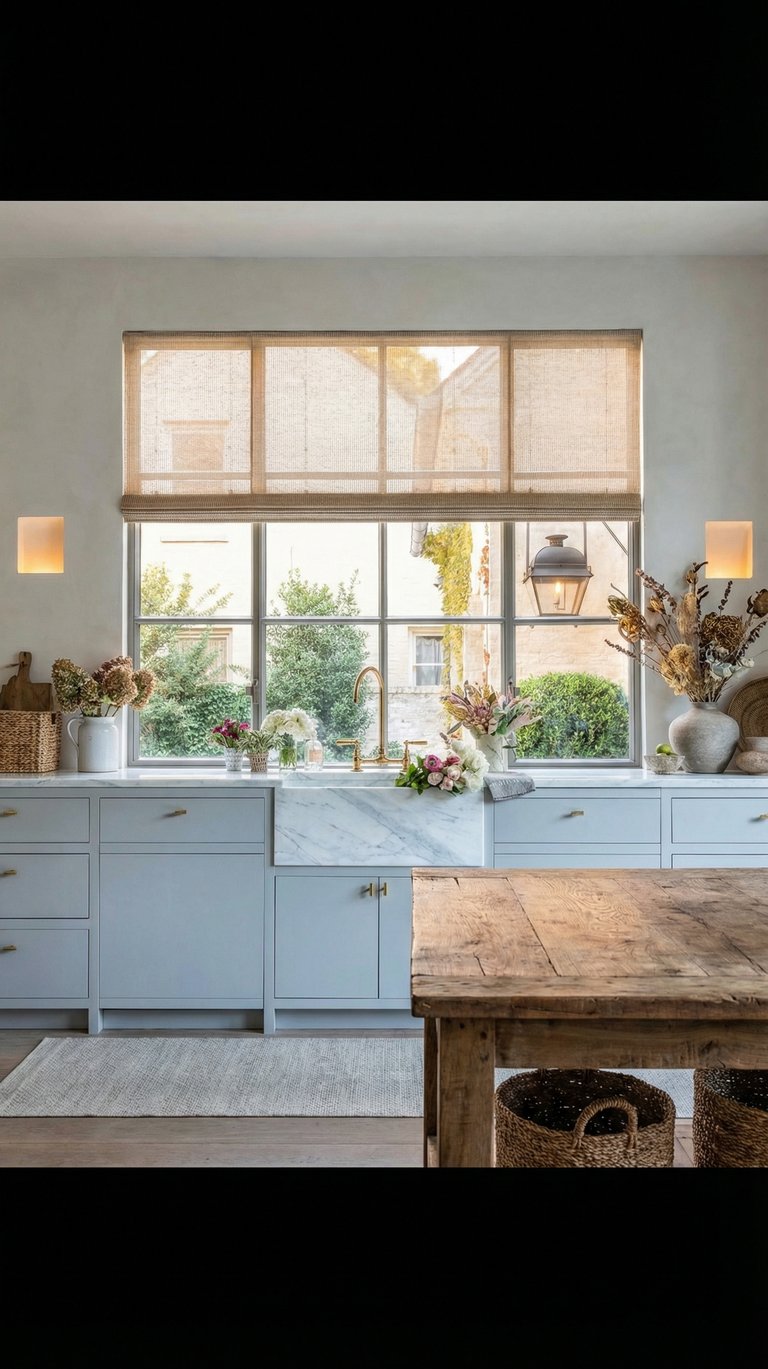
Pro Thrifting for Modern Cottage Style: What to Buy & Skip
If you’ve been scrolling through modern cottage interiors on Pinterest, you’ve probably noticed something: the best spaces aren’t filled with tiny trinkets and collections. Instead, they feature carefully curated, larger vintage pieces that make a real statement.
Modern cottage style has evolved beyond the cluttered, hyper-feminine cottagecore aesthetic. It’s about creating warmth and character through intentional choices—authentic vintage furniture, natural textures, and a restrained color palette that lets each piece breathe.
Let me show you exactly what to hunt for at estate sales, thrift stores, and Facebook Marketplace to achieve this sophisticated, lived-in look without the chaos.
If you’re wondering “What is Modern Cottage Style?”, then hop over to this post first!

This post contains affiliate links. As an Amazon Associate, I earn from qualifying purchases at no cost to you.
Understanding Modern Cottage vs. Cottagecore
Before we dive into thrifting, let’s clear up the confusion. Modern cottage style and cottagecore are NOT the same thing.
Cottagecore is whimsical and romantic, featuring lots of floral patterns, pastels, vintage embroidery, and collections of small decorative items. It’s heavily influenced by storybook aesthetics and rural nostalgia.
Modern cottage style takes the warmth and comfort of traditional cottage living but pairs it down significantly. It emphasizes clean lines alongside rustic elements, deeper wood tones left in their natural state (no more distressed chalk paint!), and neutral, earthy color palettes. The key difference? Modern cottage favors fewer, larger statement pieces over collections of small objects.
Think of it this way: cottagecore is about creating a fantasy, while modern cottage is about creating a sophisticated, livable space that honors craftsmanship and natural materials.
The Modern Cottage Color Palette: Keep It Limited
One of the biggest mistakes thrifters make is buying beautiful vintage pieces in too many different colors. Modern cottage style relies on a cohesive, limited color palette to create that clean, airy feeling.
Stick to these color families:
- Warm neutrals: cream, sand, beige, taupe, warm whites
- Earthy tones: mushroom, chocolate brown, terracotta, ochre
- Muted greens: sage, olive, moss
- Soft blues: dusty blue, gray-blue
- Natural wood tones: honey, walnut, oak (not painted or whitewashed)
When you’re thrifting, carry a photo of your main room or keep notes on your phone about your chosen palette. If a gorgeous vase is the perfect shape but comes in bright turquoise, and you’re working with warm neutrals and terracotta—pass on it. This discipline is what separates a curated modern cottage space from a cluttered one.
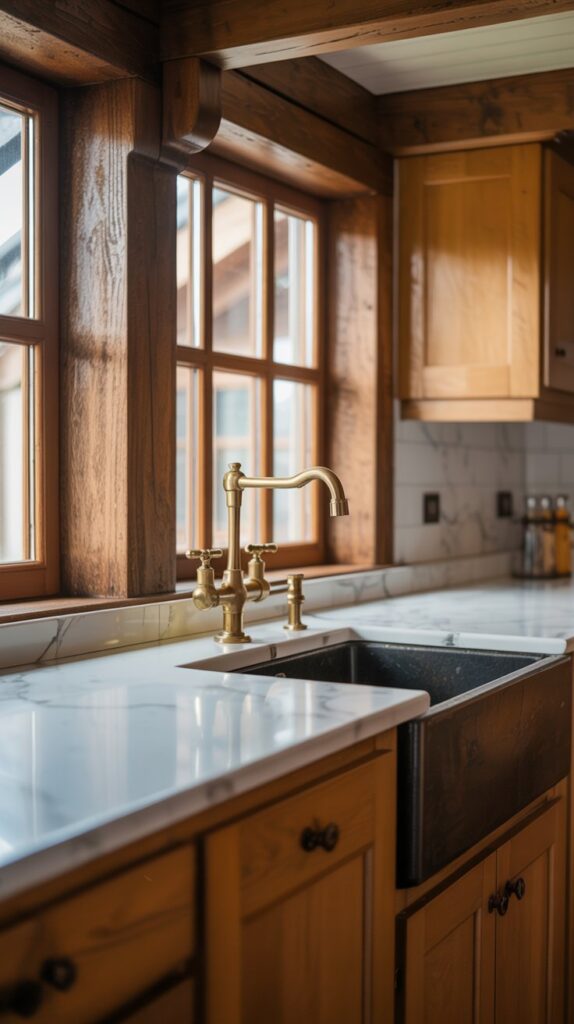
What to Look For: Large Statement Pieces
Authentic Vintage Furniture
This is where your budget should go. Large, quality furniture pieces anchor your entire space and provide the character that makes modern cottage style work.
At estate sales, prioritize:
Wooden dining tables and farm tables – Look for solid wood construction with visible grain. Tables from the 1940s-1970s often have that perfect worn patina without needing any distressing. Don’t be afraid of pieces that need minor refinishing—a good cleaning and some furniture oil can bring them back to life.

We just picked up this solid wood antique table off of Facebook Marketplace. We wiped it down with Howard’s Feed and Wax and kept the patina and scratches (it’s going to get more after all!). Cost: FREE!
Vintage dressers and chests – Mid-century pieces in walnut or teak, or earlier oak and pine dressers work beautifully. The modern cottage aesthetic celebrates natural wood tones, so leave them as-is rather than painting them. Look for dovetail joints and solid wood drawer bottoms—signs of quality craftsmanship.
Wood dining chairs and seating – Ladder-back chairs, Windsor chairs, and simple wooden dining chairs from any era between 1920-1980 work perfectly. Mix and match styles around your table for that collected-over-time look, but keep them in similar wood tones or all in one neutral paint color.
Armoires and cabinets – These provide essential storage while adding architectural presence. French armoires, linen cupboards, and pie safes are especially sought-after for modern cottage spaces.
Upholstered furniture with good bones – A worn velvet sofa from the 1970s or a linen wingback chair from the 1950s can be reupholstered in natural linen or cotton in your chosen neutral palette. Look past ugly fabric and focus on frame quality and comfortable proportions.
At thrift stores, look for:
The furniture selection at thrift stores can be hit-or-miss, but you’ll often find smaller wooden pieces like side tables, plant stands, and occasional chairs at better prices than estate sales. I’ve found incredible wooden stools, vintage benches, and small tables that became perfect plant stands or bedside tables.
On Facebook Marketplace and Craigslist:
This is where you’ll find the best deals on large furniture pieces. Search terms like “solid wood,” “vintage,” “mid-century,” “farmhouse table,” and “antique dresser.” Be prepared to act fast and bring measurements—great pieces go quickly.

Textiles: Rugs, Linens, and Natural Fibers
Textiles add warmth and texture, which are essential to modern cottage style. But again, we’re being selective here—not buying every vintage quilt we see.
Wool rugs – Persian rugs, vintage Turkish rugs, and kilims in muted, earthy tones are absolute gold finds. These rugs bring instant age and sophistication to a space. Look for rugs with low contrast patterns in your color palette. A faded Persian rug in rust, cream, and soft blue is perfect. A bright red and navy Oriental rug? Not so much for this aesthetic.
Linen and cotton textiles – Vintage linen tablecloths, European grain sacks, and heavy cotton curtains in natural tones are perfect. These can be repurposed into pillow covers, used as throws, or hung as simple window treatments.
Wool blankets – Hudson Bay blankets, pendleton blankets, and heavy wool camp blankets add cozy texture without pattern overload. Stick to solids, stripes, or very simple patterns.
What to skip: Overly floral quilts, busy patterned afghans, and anything synthetic. Modern cottage leans heavily toward natural fibers.
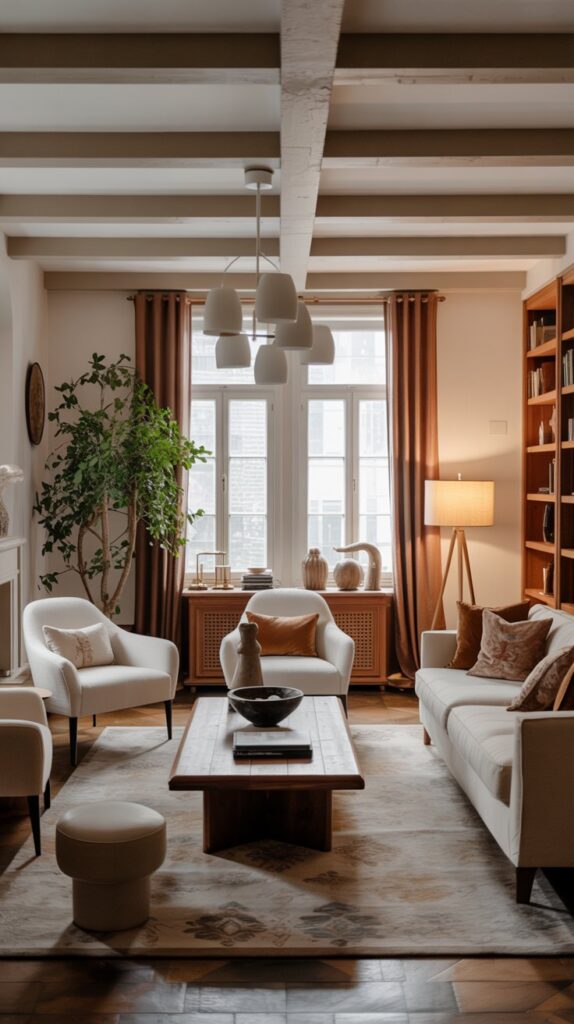
Pottery and Ceramics: Go Big
This is where modern cottage really diverges from cottagecore. Instead of collecting dozens of small ceramic figurines or teacups, invest in larger pottery pieces that serve as sculptural elements.
What to hunt for:
Large stoneware crocks and vessels – These work as umbrella stands, utensil holders, or simply as decorative objects. Look for simple forms in natural clay colors—cream, brown, gray.
Studio pottery – Handmade ceramic pieces from the 1960s-1980s have the organic, imperfect quality that modern cottage loves. Large bowls, vases, and serving pieces in earth tones are ideal.
Vintage pitchers and jugs – One beautiful stoneware pitcher is better than five small ones. Use it for fresh flowers or herbs from your garden.
Ironstone and stoneware dishes – While not large individually, a simple set of cream or white ironstone dishes provides a clean backdrop for food and fits the aesthetic perfectly. Buy full sets rather than collecting mismatched pieces—modern cottage favors simplicity over excessive whimsy.
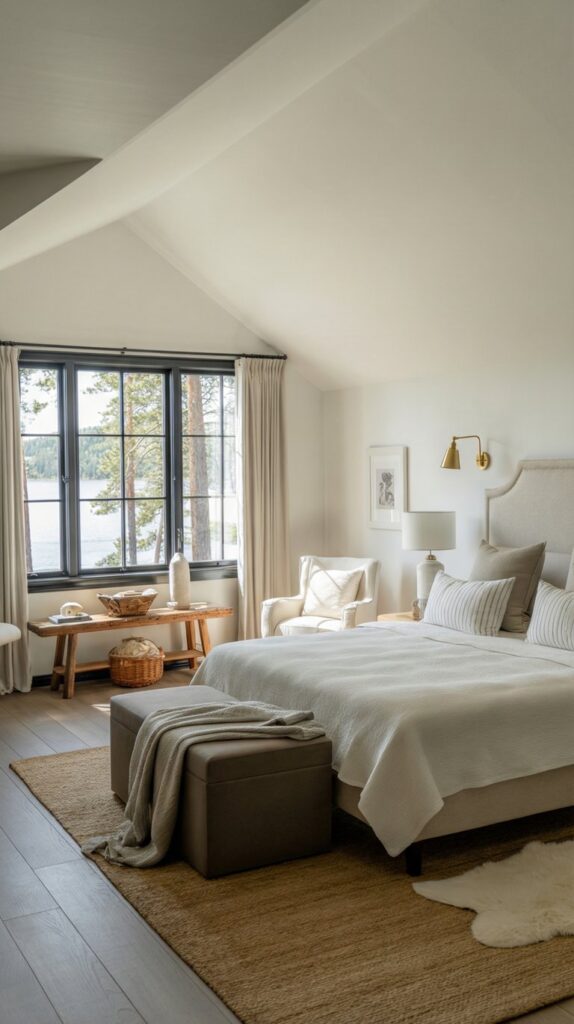
Glass and Vases: Simple Forms
Clear glass vases in varied heights – You want simple shapes that let flowers be the star. Cylinder vases, vintage laboratory glassware, and simple clear glass bottles all work.
Large glass cloches and jars – Perfect for displaying seasonal elements or storing kitchen staples. One large apothecary jar is more impactful than a shelf of tiny jars.
Amber and green glass bottles – In moderation. Choose larger bottles (at least 8-10 inches tall) rather than collecting miniatures.
Baskets and Natural Storage
Baskets provide practical storage while adding texture, but don’t go overboard.
Larger woven baskets – French market baskets, vintage picnic baskets, and sizable storage baskets in natural materials work beautifully for blanket storage, firewood, or toys.
Flat baskets and trays – Vintage bread baskets and woven trays can corral items on coffee tables or countertops without looking cluttered.
Natural fiber rugs – Jute, sisal, and seagrass rugs layer beautifully under vintage wool rugs and add textural interest.

What to Avoid: The Clutter Trap
Modern cottage style requires restraint. Here’s what to pass by, even if it’s cheap:
Collections of small decorative objects – Individual teacups, miniature ceramic animals, small figurines, tiny vases. These read as cluttered, not curated.
Ornate or overly feminine pieces – Heavily carved furniture, ruffled curtains, or pieces with excessive detail fight against the clean lines modern cottage requires.
Anything that doesn’t fit your color palette – This is non-negotiable. That beautiful purple vase might be a steal, but if you’re working with warm neutrals and sage green, it won’t work.
Cheap, mass-produced “vintage-style” items – New items made to look old often miss the mark. You want actual vintage pieces with real patina and age.
Too many patterns – Modern cottage uses pattern sparingly. If you already have a patterned rug, your throw pillows should probably be solid linen.
Bright, cheerful cottagecore items – Floral everything, pastel dishes, overly decorative pieces covered in roses or bunnies. These belong in traditional cottagecore, not modern cottage.
Estate Sale Strategy: Where the Magic Happens
Estate sales are your best source for authentic vintage pieces. Here’s how to shop them effectively:
Go early for the best selection – The first hour typically yields the best finds, though you’ll pay full price.
Go late for the best deals – The last day, especially the last few hours, often features 50-75% off. Larger furniture pieces that didn’t sell are prime candidates for negotiation.
Look beyond the obvious – Check basements, garages, and back rooms. Some of the best furniture gets overlooked because it needs cleaning or minor repairs.
Bring measurements – Always know your door widths, ceiling heights, and the spaces you’re trying to fill.
Ask about unlisted items – If you see something perfect that’s not tagged, ask. Not everything makes it into the listing.
Build relationships – Regular estate sale companies will remember you and may give you early access or first dibs on items that match your style.
Thrift Store Tactics
Visit wealthy neighborhoods – Thrift stores in affluent areas receive better donations, including higher-quality furniture and authentic vintage pieces.
Shop weekdays – Less competition, and you’ll have time to really examine pieces.
Check often – Inventory turns over constantly. What wasn’t there Monday might be there Thursday.
Look past dirty or dusty items – Many people pass over items that just need a good cleaning. A dirty vintage stoneware crock might be hiding a perfect patina underneath.
Ask about delivery services – Some thrift stores have delivery available or can recommend affordable services for large furniture.
Facebook Marketplace and Online Secondhand Shopping
Use specific search terms – “Vintage wood dresser,” “antique dining table,” “wool rug,” “stoneware crock,” “French linen.” Generic terms like “home decor” will overwhelm you with junk.
Set up saved searches – You’ll get notifications when new items matching your criteria are posted.
Act quickly but inspect carefully – Good pieces go fast, but always examine in person before buying. Check for:
- Structural stability (does it wobble?)
- Drawer function (do they slide smoothly?)
- Wood condition (is it solid wood or veneer? Any water damage or breaks?)
- Odors (smoke and mildew are hard to remove)
Negotiate respectfully – Most sellers expect some negotiation, but lowball offers on quality pieces will get ignored. If something’s priced fairly, pay it.
Bring cash and help – Sellers prefer cash, and you’ll need help loading furniture. Bring blankets and straps to protect pieces during transport.
Putting It All Together: The Modern Cottage Thrifting Checklist
Before you head out, make this list on your phone and commit to it:
Priority purchases:
- One quality large furniture piece (dining table, dresser, cabinet)
- One substantial wool or vintage rug
- 2-3 large pottery or ceramic pieces
- Simple, clear glass vases
- Natural fiber baskets for visible storage
- Linen or cotton textiles in your color palette
Avoid:
- Small decorative collections
- Anything outside your color palette
- Overly ornate or fussy pieces
- Busy patterns and bright colors
- New items masquerading as vintage
Remember: modern cottage style is about creating a sense of calm and connection to natural materials. Each piece you bring home should feel intentional, not impulsive. Quality over quantity, always.
Keep Reading
- Goodwill Home Decor Finds Worth Money: What to Look For
- The Ultimate Guide to Thrifting Christmas and Holiday Decor: How to Create a Stunning Home on a Budget
- The Complete Guide to Creating a Thrifted Hot Cocoa Station: Every Detail You Need
- How to Achieve Modern Cottage Style on a Budget
- Shop all my favorite cottage finds
Frequently Asked Questions
What is modern cottage style in interior design?
Modern cottage style blends the warmth and comfort of traditional cottage living with contemporary clean lines and a more edited aesthetic. It features natural materials like wood, linen, and wool, a neutral earthy color palette, and vintage furniture in its natural state rather than painted or distressed. Unlike cottagecore, which emphasizes whimsy and collections, modern cottage favors larger statement pieces and intentional design choices.
What is the difference between modern cottage and cottagecore?
While cottagecore is romantic and whimsical with lots of florals, pastels, and small decorative collections, modern cottage is more refined and restrained. Modern cottage uses deeper, natural wood tones, a limited neutral color palette, and emphasizes quality over quantity. Cottagecore tends toward fantasy and storybook aesthetics, while modern cottage creates sophisticated, livable spaces that honor craftsmanship and natural materials without the clutter.
What colors are used in modern cottage style?
Modern cottage style relies on warm neutrals and earthy tones rather than the pastels common in cottagecore. The palette includes cream, sand, beige, taupe, warm whites, mushroom, chocolate brown, terracotta, ochre, sage green, olive, moss, dusty blue, and natural wood tones. The key is maintaining a limited, cohesive color palette throughout your space rather than incorporating many different colors.
Can you mix modern and cottage style?
Absolutely—that’s exactly what modern cottage style is. The aesthetic intentionally pairs traditional cottage elements like vintage furniture, natural textures, and rustic materials with modern sensibilities including clean lines, edited spaces, and contemporary lighting. The result balances old and new, creating spaces that feel both timeless and current.
What is the modern farmhouse aesthetic?
Modern farmhouse emphasizes bright whites, light woods, open floor plans, and industrial accents like black metal and shiplap. While it shares the focus on natural materials with modern cottage, farmhouse style tends toward a more streamlined, minimalist approach with tighter neutral color stories. Modern cottage, by contrast, embraces deeper wood tones, vintage elements in their natural state, and a slightly moodier, more layered aesthetic.
How do you achieve modern cottage style on a budget?
Thrifting and secondhand shopping are actually ideal for modern cottage style because the aesthetic values authentic vintage pieces over new purchases. Focus your budget on one or two quality large furniture pieces from estate sales or Facebook Marketplace, then build around them with thrifted textiles, pottery, and accessories. Prioritize natural materials like wool rugs and linen fabrics, which can often be found affordably at thrift stores, and maintain a strict color palette to ensure everything works together cohesively.
What kind of furniture works best for modern cottage?
Look for solid wood furniture with visible grain and quality craftsmanship from the 1920s-1980s. Dining tables, dressers, cabinets, and wooden chairs in natural wood tones work beautifully. Upholstered pieces with good bones can be recovered in natural linen or cotton. The key is choosing pieces with simple, timeless lines rather than ornate or overly decorative furniture. Mix different eras and styles, but keep wood tones or paint colors cohesive across pieces.
Should you paint vintage furniture for modern cottage style?
Generally, no. Modern cottage style celebrates natural wood tones and authentic patina rather than painted or distressed finishes. If vintage furniture is already painted in a color that works with your palette (like cream or soft gray), you can leave it. But the trend has moved away from the chalk-painted, distressed look that dominated previous farmhouse and shabby chic trends. Natural wood that’s been cleaned and oiled looks more sophisticated and authentic.
The beauty of modern cottage style is that it’s achievable, sustainable, and deeply personal. Every thrifted piece tells a story and adds character that new furniture simply can’t replicate. By focusing on larger statement pieces, maintaining a cohesive color palette, and exercising restraint, you’ll create a space that feels both timeless and entirely your own.
Now get out there and start hunting. Your perfect vintage dining table is waiting at an estate sale somewhere, and I promise—the thrill of finding it will be worth the search.
Pin for later!