How to Garden When You’re Broke: 13 Smart Tips
Listen, I get it. You want fresh tomatoes and crisp lettuce from your own backyard, but your bank account is giving you the side-eye every time you scroll past those fancy raised bed kits on Pinterest.
Here’s the beautiful truth I’ve learned: you absolutely do not need a trust fund to grow food. In fact, some of the most productive gardens I’ve seen were started with little more than determination, a few free resources, and a willingness to get creative.
Let me walk you through ten genuinely cheap (or completely free!) ways to start growing your own vegetables, even when money is tight.

1. Score Free Mulch from Your Own Yard
You know that pile of grass clippings you’ve been bagging up? Stop. Right now. Those clippings are garden gold, and you’ve been throwing them away.
Grass clippings make excellent mulch around your vegetable plants—they suppress weeds, retain moisture, and break down to feed your soil. Just spread a thin layer (about 2-3 inches) around your plants, keeping it away from the stems to prevent rot.
Fallen leaves? Same deal. Run your lawn mower over them to chop them up, then use them as mulch or add them to your compost pile. What you’ve been treating as yard waste is actually free soil amendment.
2. Call Your City or County for Free Mulch Programs
This one blows people’s minds, but many municipalities offer free mulch and compost to residents. They collect yard waste, chip it or compost it, and then give it back to the community for free or dirt cheap (pun intended).
A quick call to your local public works department or a search for “[your city] free mulch program” will tell you if this exists near you. I’ve seen people fill entire truck beds with quality mulch without spending a dime.
3. Hunt for Free Soil Amendments on Craigslist and Facebook Marketplace
Set up alerts for “free topsoil,” “free compost,” “rabbit manure,” and “chicken manure” in your area. You’d be amazed how many people are literally trying to give this stuff away.
Homeowners doing landscaping projects often have extra topsoil they need gone. Rabbit and chicken owners have more manure than they know what to do with—and it’s fantastic fertilizer (just make sure it’s aged or composted before you use it directly on plants).
I’ve scored bags of beautiful compost, wheelbarrows full of rabbit pellets, and even quality topsoil simply by being patient and checking these sites regularly.

4. Tap Into Your Agriculture Extension Agency
Your local cooperative extension office is an absolute treasure that most people don’t even know exists. These are county or regional offices connected to state universities, and they exist specifically to help home gardeners and farmers.
They often offer free soil testing, free or low-cost workshops, educational resources, and sometimes even free seeds or plants. The agents there are knowledgeable, helpful, and genuinely want you to succeed. Look up “[your county] cooperative extension” and give them a call—you’ll be glad you did.
5. Get Free Plants Through Divisions and Cuttings
Here’s where your community becomes your garden center. Many perennial vegetables and herbs can be easily divided or propagated from cuttings—things like asparagus, rhubarb, strawberries, walking onions, mint, oregano, and thyme.
Ask your gardening friends, neighbors, or even post in local gardening groups online. Most gardeners are thrilled to share divisions because it helps their plants AND creates a fellow gardener. You’d be surprised how generous people are when you simply ask.
I’ve built entire herb gardens from cuttings people gave me, and every spring I divide my own plants to pass along to others. It’s how gardeners have done it for generations.
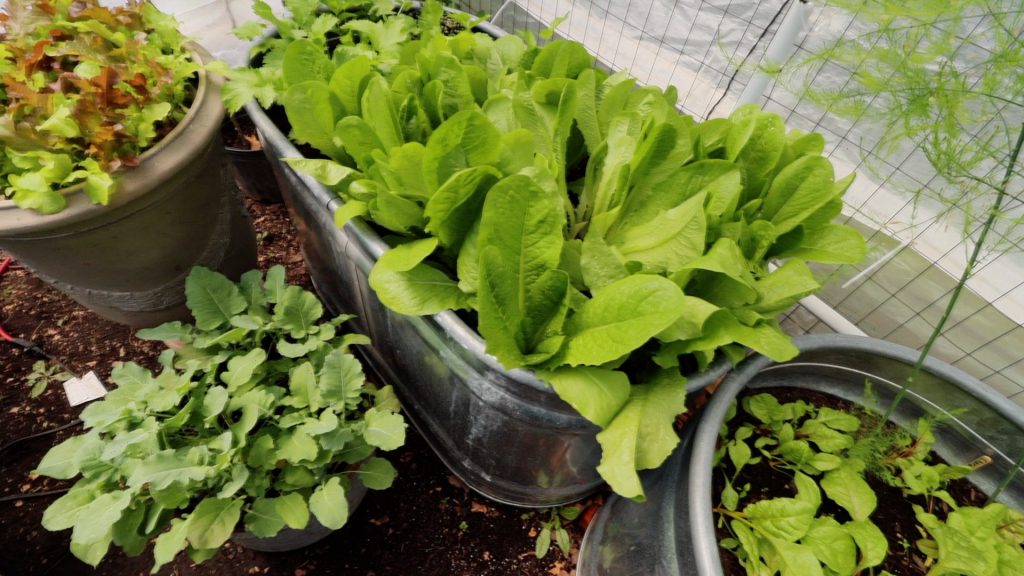
For more garden ideas, check out my post and video about Easy Container Gardening:Vegetables & Herbs
6. Attend Plant and Seed Exchanges
Plant swaps and seed exchanges are popping up everywhere—at libraries, community gardens, churches, and neighborhood groups. These are events where gardeners bring extra plants, seeds, or divisions and trade with others.
You can show up with literally nothing and still walk away with seeds and plants. The whole point is sharing abundance and building community. Check your local library’s event calendar, search Facebook for garden groups in your area, or even organize one yourself.

7. Embrace the Hügelkultur Method with Free Wood Debris
Hügelkultur (sounds like “hoo-gul-culture”) is a fancy German word for a simple concept: bury wood and organic matter to create raised garden beds that hold moisture and build fertility over time.
Collect fallen branches, logs, and wood yard debris (all free!), pile them where you want your bed, cover with leaves, grass clippings, and whatever soil you can scrounge, and plant right on top. As the wood breaks down over the years, it creates incredible soil while reducing your need to water.
It’s perfect for broke gardeners because it uses materials people usually throw away or burn.
8. Layer Free Cardboard to Create New Garden Beds
The sheet mulching method (also called lasagna gardening) lets you create new garden beds right on top of grass or weeds—no tilling, no digging, no expensive soil.
Hit up your local recycling center, grocery stores, or appliance stores for free cardboard boxes. Remove any tape or labels, lay the cardboard over your future garden space (overlapping the edges), wet it down, then pile on whatever organic matter you can find—grass clippings, leaves, compost, manure, wood chips.
By spring, you’ll have a beautiful, plant-ready bed, and you’ve spent virtually nothing.
9. Buy Seeds on Clearance (And Don’t Fear Old Seeds)
Late summer and fall are when garden centers slash prices on seed packets to clear inventory. Stock up then for next year’s garden—you’ll pay 25-50% of the original price.
And here’s a secret the seed companies don’t want you to know: seeds that are 2-3 years old will still sprout just fine. Germination rates might drop slightly, but most seeds remain viable for years if stored in a cool, dry place. I’ve successfully grown vegetables from 5-year-old seeds.
Don’t let the “packed for 2023” date scare you off from those clearance seeds.
10. Start Everything from Seed Instead of Buying Seedlings
I know those transplants at the nursery are tempting—instant garden gratification! But a six-pack of tomato seedlings costs $4-6, while a packet of seeds costs $2-3 and gives you 25-50+ plants.
Yes, starting from seed takes more time and patience. But it saves so much money that it’s absolutely worth it when you’re on a tight budget. You can start seeds in egg cartons, yogurt cups, or any container with drainage holes.
Bonus tip: Many vegetables like lettuce, carrots, beans, peas, and radishes do better when direct-seeded into the garden anyway—no indoor seed starting required.

11. Thrift Your Way to Garden Tools and Supplies
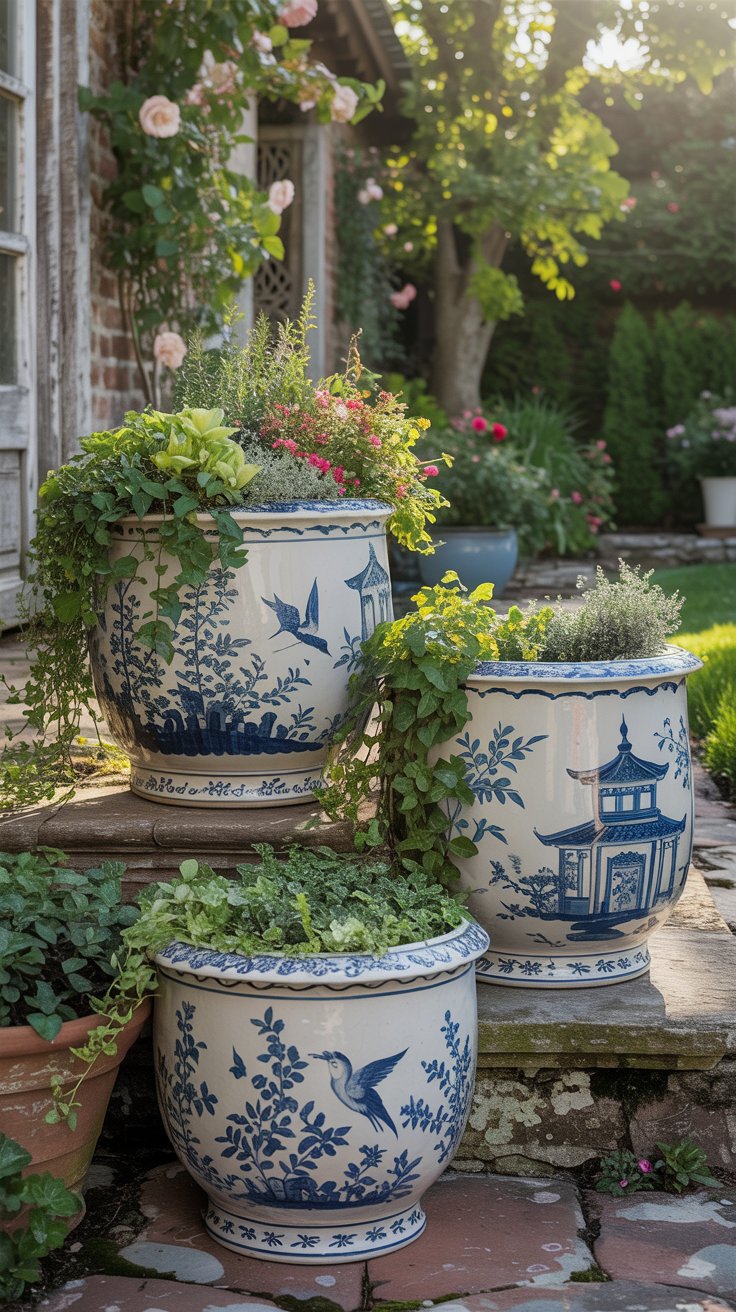
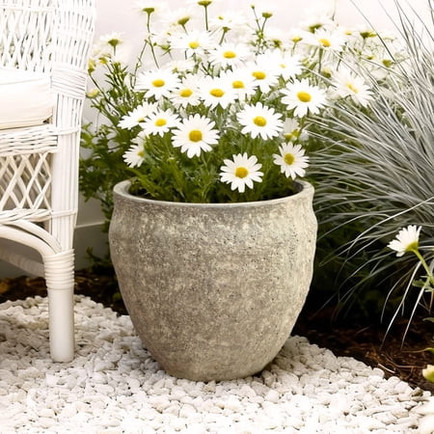
Before you head to the big box store for brand new tools, hit up your local thrift stores, estate sales, and yard sales first. I’m not even kidding—all of my clay pots came from a single estate sale, and I also scored some absolutely gorgeous concrete planters that would’ve cost me a fortune new.
You’ll find hand trowels, pruning shears, watering cans, plant stands, and all sorts of containers for pennies on the dollar. Estate sales are especially golden because older gardeners often have quality tools that were built to last, plus collections of pots they’ve accumulated over decades.
Check the tool section at Goodwill, browse yard sales in spring when people are cleaning out their sheds, and don’t overlook those plastic nursery pots people are selling for quarters at community sales. One person’s clutter is your fully-stocked potting shed.
12. Snag Free Pallet Wood for Paths and Raised Beds
Free wooden pallets are everywhere if you know where to look—behind stores, at construction sites, or listed as “free, please take” on Craigslist and Facebook Marketplace.
These can be transformed into garden paths by laying them directly on the ground (they help with drainage and keep your feet out of the mud), or disassembled to build simple raised beds. Just make sure you’re grabbing pallets marked “HT” (heat-treated) rather than “MB” (methyl bromide treated) since you don’t want chemicals leaching into your garden soil. Ask at local businesses, especially smaller retailers, feed stores, or landscaping companies—they often have pallets they’re happy to give away just to avoid disposal fees.
A few pallets, a hammer or pry bar to take them apart, and you’ve got enough lumber for several raised beds without spending a cent at the lumber yard.
13. Save Your Own Seeds
Once you’ve got a garden going, you can become your own seed supplier and never buy certain seeds again. Let a few of your best-performing plants go to seed at the end of the season—tomatoes, peppers, beans, peas, lettuce, and herbs are all easy to save seeds from.
Just dry them thoroughly and store them in envelopes labeled with the variety and year. Not only does this cost you absolutely nothing after that first season, but you’ll also be selecting seeds from plants that thrived in your specific garden conditions, which means they’ll perform even better next year.
And here’s the bonus: saved seeds become incredible trading currency at seed swaps. I’ve traded my extra tomato seeds for varieties I’d never tried, all without spending a dime. It’s the ultimate budget gardening hack that keeps on giving year after year.
The Real Secret to Budget Gardening
The truth about gardening on a shoestring? It connects you to a whole community of generous, resourceful people who’ve been doing this forever. Once you start asking around, accepting hand-me-down plants, and swapping seeds, you’ll realize that the best parts of gardening have nothing to do with money anyway.
Your first harvest of vegetables grown from free seeds, planted in free compost, and mulched with your own grass clippings? That’s going to taste better than anything you could buy, I promise you that.
So start small, get scrappy, and don’t let a tight budget keep you from the joy of growing your own food. Your future garden—and your wallet—will thank you.
What’s your favorite money-saving garden trick? I’d love to hear what’s worked for you in the comments!